English

Claude Cowork: Anthropic Introduces an AI Agent That Works Directly With Your Files

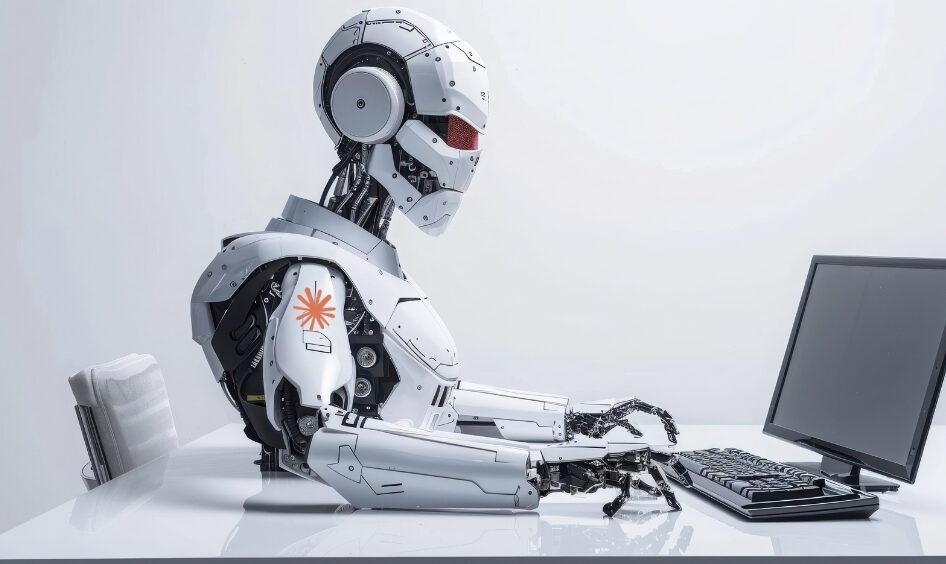
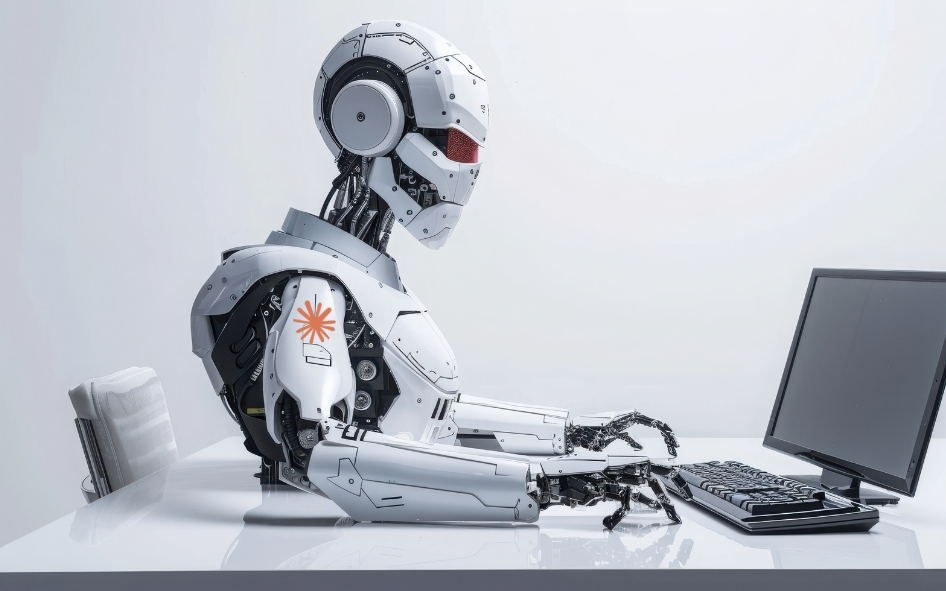
Anthropic has officially introduced Claude Cowork, a new research preview that represents a significant shift in how artificial intelligence can assist users beyond chat-based interactions. Unlike traditional AI assistants that operate primarily through text prompts and responses, Claude Cowork is designed to act directly inside a user’s working environment, performing actions on files, folders, and applications as part of real workflows.
The launch places Anthropic squarely in the growing race to build AI agents capable of executing tasks, not just suggesting them. With Claude Cowork, the company is expanding Claude’s role from a conversational assistant into something closer to a digital coworker—an AI that can help organize files, manipulate documents, and assist with everyday computer-based tasks.
What Is Claude Cowork?
Claude Cowork is an experimental AI agent developed by Anthropic that can interact with a user’s local files and applications. Instead of requiring users to manually perform actions after receiving instructions from an AI, Cowork can carry out those actions itself, under user supervision.
In practical terms, this means Claude Cowork can open folders, read and edit files, rename documents, move content between directories, and assist with multi-step workflows that would normally require manual effort. The goal is to reduce friction between intent and execution, allowing users to delegate parts of their digital work to an AI assistant.
Anthropic describes Cowork as a research preview, emphasizing that it is an early-stage product designed to explore how people might collaborate with AI agents in their daily work. The company is positioning it not as a replacement for human judgment, but as a tool that augments productivity.
From Chatbot to Desktop Agent
Claude Cowork marks an important evolution in the Claude ecosystem. Until now, Claude has primarily existed as a conversational AI, excelling in reasoning, coding assistance, writing, and analysis. Cowork extends these capabilities into the desktop environment.
Instead of responding with instructions like “rename this file” or “move these documents into a new folder,” Claude Cowork can actually perform those actions. This bridges a long-standing gap between AI advice and real-world execution.
The agent operates with explicit user permission and is designed to be transparent about the actions it takes. Users can see what Cowork is doing and remain in control, approving or guiding tasks as needed. This design reflects Anthropic’s broader focus on AI safety and alignment.
Key Use Cases for Claude Cowork
One of the most compelling aspects of Claude Cowork is its potential versatility. Early demonstrations and descriptions suggest a wide range of practical applications.
For knowledge workers, Cowork can help organize large collections of files, clean up messy directories, or prepare documents for sharing. Developers can use it to navigate codebases, open relevant files, and assist with routine project maintenance. Writers and researchers may benefit from having an AI that can gather files, extract information, and restructure content across multiple documents.
On macOS, where the preview is currently focused, Cowork can interact with the local file system in ways that feel native to the operating system. This tight integration makes the experience closer to working with a human assistant who has access to your computer, rather than a remote chatbot.
How Claude Cowork Differs From Existing AI Tools
Many AI tools today already claim to boost productivity, but most still rely on a copy-and-paste workflow. Users ask questions, receive answers, and then manually apply those answers to their work.
Claude Cowork stands out by reducing or eliminating that manual step. The agent is designed to understand goals expressed in natural language and translate them into concrete actions. This moves AI assistance from a passive role into an active one.
Compared to automation tools or scripts, Cowork is also more flexible. Traditional automation requires predefined rules and workflows. Claude Cowork, by contrast, can reason about new situations and adapt its actions based on context, much like a human coworker would.
Security, Privacy, and User Control
Granting an AI agent access to local files naturally raises concerns about security and privacy. Anthropic has addressed this by emphasizing that Claude Cowork operates with explicit user consent and clear boundaries.
The agent does not act autonomously in the background. Instead, it works alongside the user, responding to direct requests and making its actions visible. This design choice aims to build trust and ensure users remain aware of what the AI is doing with their data.
Anthropic has also framed Cowork as an experiment, signaling that feedback from early users will play a crucial role in shaping its future direction. This cautious rollout reflects the company’s broader philosophy around responsible AI development.
Why Claude Cowork Matters
The launch of Claude Cowork is significant not only because of what it can do today, but because of what it represents for the future of AI. The industry is increasingly moving toward agent-based systems—AI models that can perceive, decide, and act within digital environments.
By introducing Cowork, Anthropic is signaling that the next generation of AI assistants will be judged not just on their ability to generate text, but on their capacity to get real work done. This shift has implications for productivity software, operating systems, and even how people think about collaboration.
For startups and software companies, tools like Claude Cowork could be disruptive. If AI agents can handle tasks that previously required specialized apps or services, entire categories of software may need to adapt or rethink their value propositions.
Claude Cowork as a Research Preview
It is important to note that Claude Cowork is not a finished product. Anthropic has been clear that this is a research preview, intended to explore how people interact with AI agents that have operational capabilities.
As a result, features may change, limitations are expected, and availability may be restricted. However, even in its early form, Cowork offers a glimpse into a future where AI is embedded more deeply into everyday computing.
The preview also allows Anthropic to study how users delegate tasks, where trust breaks down, and what kinds of safeguards are necessary when AI systems gain the ability to act directly.
The Broader Context of AI Agents
Claude Cowork arrives at a time when the concept of AI agents is gaining traction across the industry. Major players are experimenting with assistants that can browse the web, write code, manage calendars, and interact with software tools.
What sets Cowork apart is its focus on local file systems and direct desktop interaction. This brings AI closer to the core of personal computing, rather than keeping it confined to cloud-based interfaces.
If successful, this approach could redefine expectations for digital assistants, turning them into true collaborators rather than advanced search engines.
Conclusion
Claude Cowork represents a meaningful step forward in the evolution of AI assistants. By enabling Claude to act directly on files and applications, Anthropic is moving beyond conversation and into collaboration.
While still in its early stages, the research preview highlights a future where AI agents can shoulder a portion of everyday digital work, allowing humans to focus on higher-level thinking and creativity.
As Anthropic continues to refine Claude Cowork based on real-world use, the project will likely influence how other companies approach AI-driven productivity. For now, Cowork stands as one of the clearest examples yet of what it might mean to truly work alongside an AI.